
Criterion 1 — Available Duration and Travel Pace
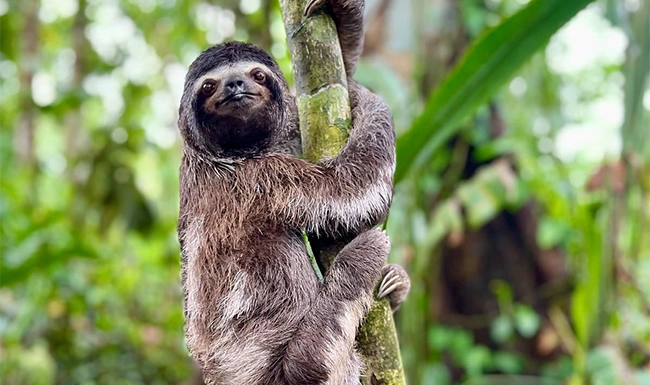
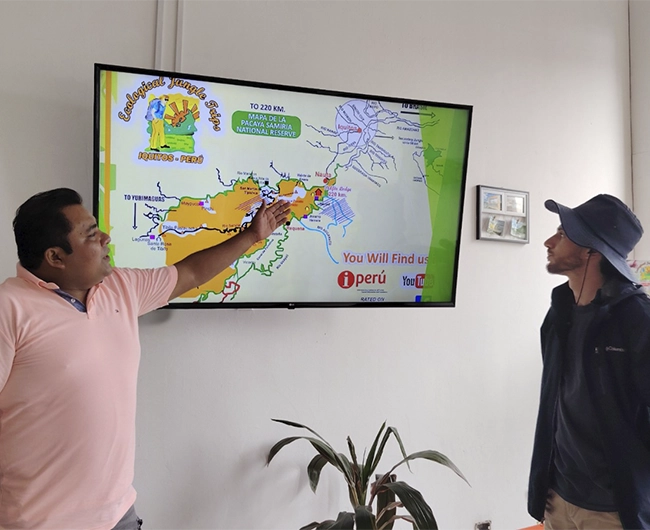
The minimum recommended length for a real Amazon experience is three days and two nights. The reason is physiological: your first day in the jungle goes to adapting to the pace, the humidity and the ecosystem's soundscape. The most interesting wildlife tends to appear once you lower your guard — usually from the second day on.
A one-day excursion gives you a valuable first approach when your time in Iquitos is very limited, but without a night in the jungle you lose the entire nocturnal experience: caimans on the banks, the tree-frog chorus, the glow of the dark forest and the complete transformation of the ecosystem after sundown. With five to seven days available, the longer tours reach zones where wildlife density rises notably because human pressure on the ecosystem drops.
Criterion 2 — The Wildlife or Ecosystem You Prioritize
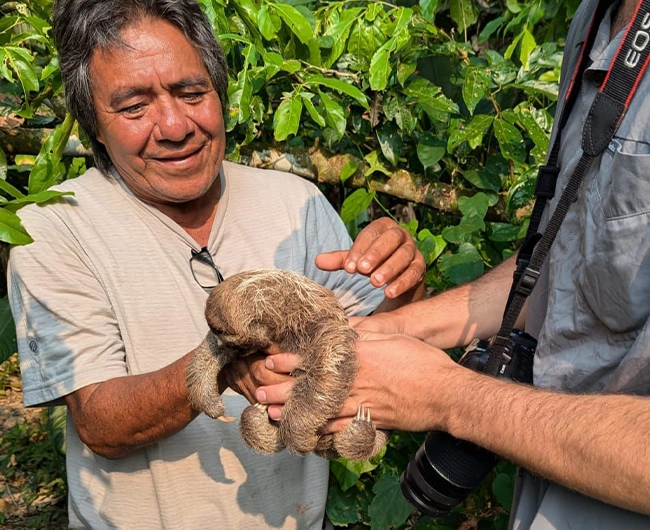
Not every jungle tour mode from Iquitos reaches the same zones or offers similar odds for particular species:
- Tropical birds and smaller primates: available on practically every mode, the one-day excursion along secondary rivers near the city included
- Pink dolphin (Inia geoffrensis): high probability on tours of three days or more — in lagoons during the dry season, and across the flooded forest during the rains
- Black caiman (Melanosuchus niger): watched mainly on night navigations, from the three-day tour up
- Anaconda and larger primates: better odds on five- to seven-day tours reaching zones far from direct human activity
- Amazonian manatee and giant otter: exclusive to five- to seven-day expeditions inside the Pacaya Samiria National Reserve
Criterion 3 — The Comfort-to-Immersion Balance You Want
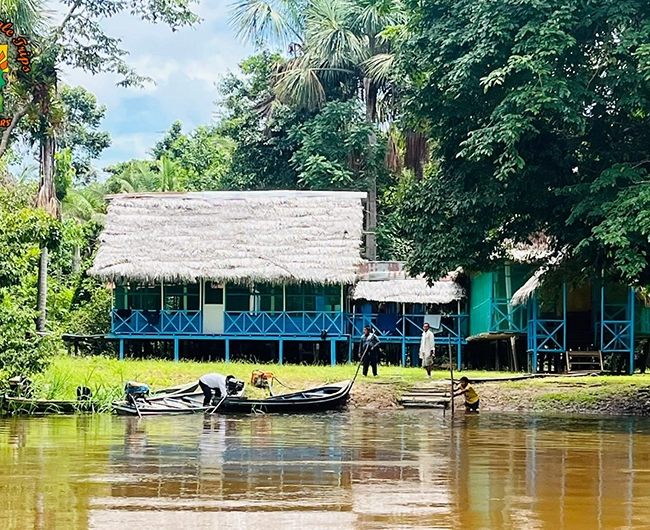
A spectrum runs between two extremes: the ecolodge with beds, a shower and limited solar power, and the jungle campsite with minimal facilities. Most Amazon tours from Iquitos operate at the midpoint: cabins with beds, mosquito nets, natural ventilation and no internet connection.
If constant heat and humidity, or the absence of urban comforts, cause you real anxiety, choose an operator with a better-equipped lodge. If the most authentic possible experience is what you are after, the remote options with basic facilities are superior in access to wildlife and to less disturbed ecosystems.
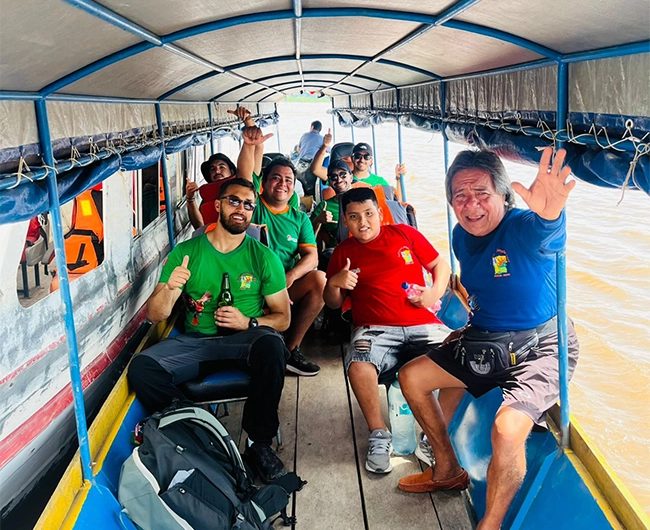
Criterion 4 — Group Size and Experience Quality
Group size directly affects wildlife-watching quality. Large groups generate noise, movement and a pressure on the ecosystem that scatters the animals before you see them. A group of four to eight lets the guide adapt the pace, take narrower trails or shallower boats, and answer individual questions in depth.
When comparing tours in Iquitos, always ask for the maximum group size. The difference between eight and twenty-five people is not anecdotal: it is the difference between genuine ecotourism and a mass-market excursion wearing the same words on the brochure.
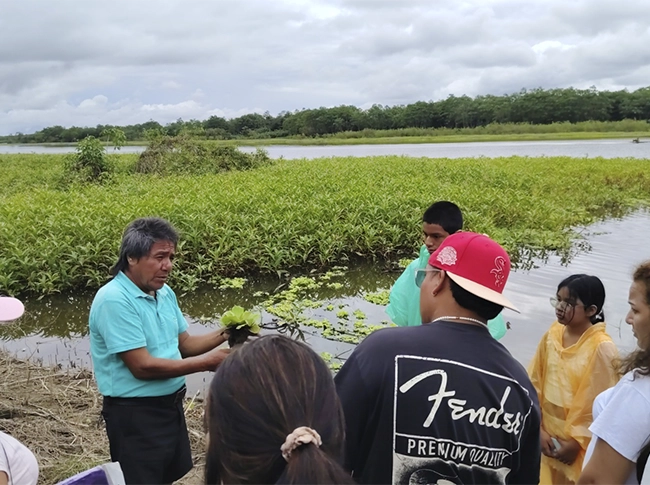
1-Day Excursion — First Contact with the Amazon
The single-day outing is the most accessible option for limited time, or for exploring before committing to a multi-day expedition. Its usual structure includes an early departure from the Iquitos pier, navigation along secondary rivers near the city, a guided walk in secondary forest, riverbank wildlife watching (Amazonian birds, reptiles, smaller primates), a lunch of traditional Loreto cooking in a local community and a return to the city before sunset.
The format's real limitation is concrete: without a night in the jungle, roughly half of the wildlife experience — the half that happens at dawn and after dark — stays out of reach.
Best fit: travelers in transit on very tight time, families with small children, and people with reduced mobility seeking contact with nature without high physical demand.
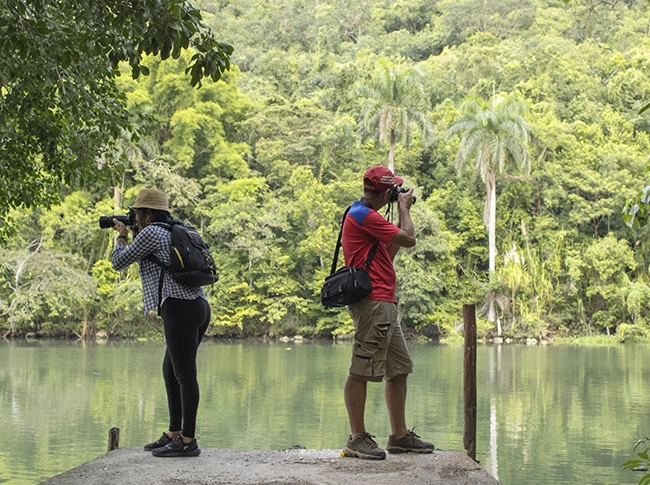
3-Day, 2-Night Tour — the Most Balanced Option
The format most first-time visitors to Iquitos prefer. It includes two lodge nights inside primary or secondary forest away from the standard tourist circuit, with activities spread across day and night sessions: river navigation, a guided jungle walk, night navigation for caiman watching, piranha fishing, pink-dolphin sightings in favorable zones and seasons, and a visit to an indigenous community with a native guide.
Three days leave real time to adjust to the Amazon's rhythm. The wildlife starts appearing naturally once the group lowers its intensity and the forest recovers its usual cadence — something that happens precisely from the second day.
Best fit: a first complete Amazon experience for couples, groups of friends or independent travelers with four or five total days in Iquitos.
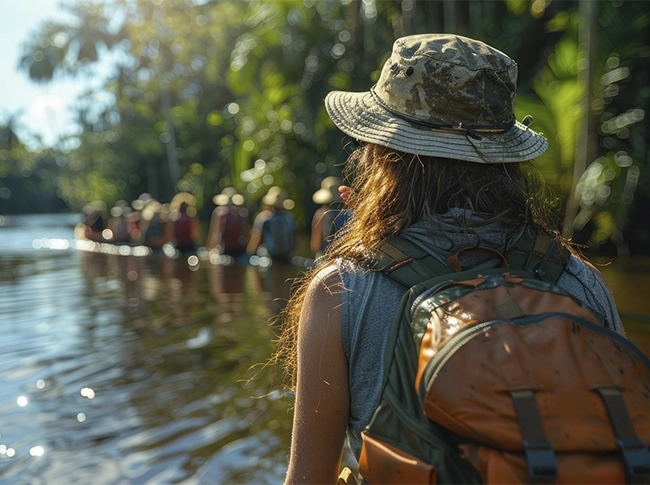
5-Day, 4-Night Tour — Immersion in Remote Jungle
From the fifth day, tours reach zones significantly farther from Iquitos's direct influence, including the extended buffer area of the Pacaya Samiria National Reserve. Wildlife density rises because human pressure on the ecosystem drops: the one-day tours and the twenty-passenger boats never get here.
This format covers everything in the three-day tour plus paddle-canoe navigation along inner channels where motorboats do not fit, longer observation time in barely disturbed ecosystems and, usually, Amazonian ethnobotany sessions in which the native guide explains the flora's historical and medicinal use by the local indigenous communities.
Best fit: nature photographers, travelers passionate about biodiversity who already know the basic jungle format, and anyone seeking the experience farthest removed from mass tourism.
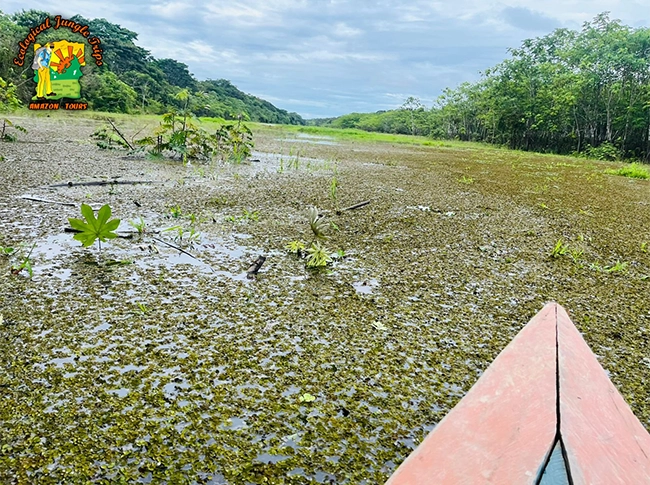
7-Day, 6-Night Tour — Expedition into Pacaya Samiria
The most complete and immersive mode, reaching inner zones of the Pacaya Samiria National Reserve under SERNANP authorization (Peru's National Service of State-Protected Natural Areas). Tourism in these zones is minimal, and wildlife abundance runs notably higher than at any other point reachable from Iquitos.
The odds of sighting high-complexity species — the Amazonian manatee (Trichechus inunguis), the giant otter (Pteronura brasiliensis), high-canopy fauna — rise significantly. The expedition sails channels accessible only in certain seasons and spends nights at campsites or river lodges inside the reserve itself, with an immersion no shorter format matches.
Best fit: naturalists, traveling biologists, professional wildlife photographers and expeditioners with prior tropical-forest experience.

Dry Season (June–October): Concentrated Wildlife and Easy Walking
Through the dry season, the Amazon and its tributaries drop several meters below their annual peak. The drop has a direct, observable effect on the wildlife: water-dependent animals concentrate in cochas — natural river lagoons — and inner pools, which raises visibility and sighting odds from the boats.
Terra firme walks run longer and easier because the trails are not flooded. Pink dolphins group in lagoons where canoe watching is excellent without an engine. Caimans expose themselves more often on sandy banks. Waterbirds are easily watched along the newly uncovered river margins.
July and August draw the region's heaviest tourist traffic. Anyone planning those months should book at least four to six weeks ahead.
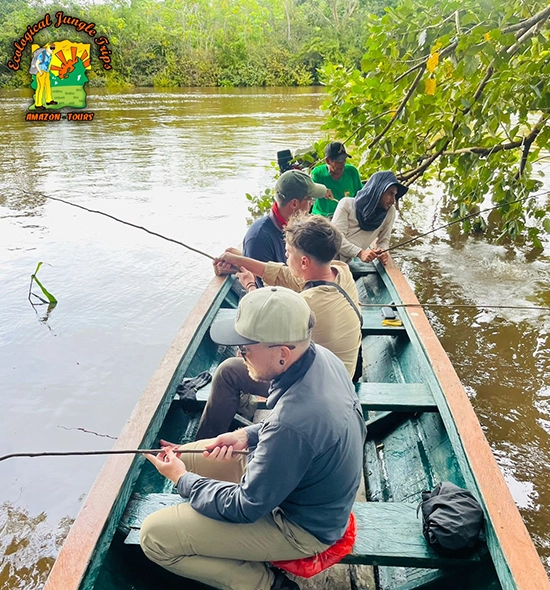
Rainy Season (November–May): Flooded Forest and Active Aquatic Wildlife
The rains produce the Peruvian Amazon's most singular phenomenon: the river climbs ten or twelve meters above its minimum, partially flooding the forest and creating the várzea. In this period you can paddle a canoe between the trunks and understory of trees that stand on dry land the rest of the year. No other season offers an equivalent — and it remains one of the least advertised highlights of Amazon tours from Iquitos.
Aquatic wildlife peaks: pink dolphins appear frequently inside the flooded forest, anacondas turn more visible along banks and low vegetation, and birdlife reaches its richest season. Land walks run shorter, but the inner navigation more than compensates.
Here is a detail few general sources mention: many professional nature photographers prefer the rainy season. The constant cloud cover produces soft, even light that removes the tropical sun's hard shadows — ideal for wildlife photography. The forest also hits its visual peak: deeper greens, denser vegetation, a visibly fuller ecosystem.
November through February carry the year's lowest tourist traffic, which translates into smaller groups and, usually, more accessible prices.

Mistake 1 — Choosing on Price Alone
The lowest price on an Amazon tour almost always means very large groups, guides without wildlife specialization or zones so close to Iquitos that human activity has disturbed the ecosystem. A jungle tour's value lies in the guide's quality and the zone it reaches — not in the boat or the lodge.
Mistake 2 — Not Verifying the Company's Licenses or Papers
In Peru, tourism guides must hold MINCETUR certification and agencies must be registered with the corresponding regional DIRCETUR. An uncertified guide may know the zone perfectly, yet lacks the official training in first aid, wildlife protocols and jungle safety a certified guide must prove. Ask for the guide's license number if in doubt: it is public information.
Mistake 3 — Not Asking for the Maximum Group Size
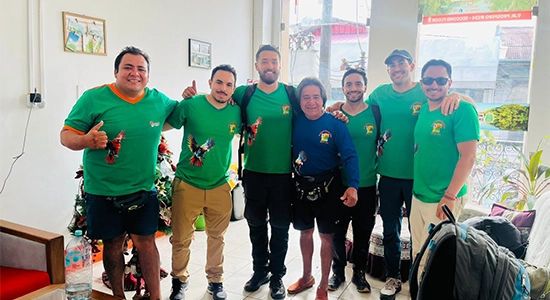
It is the factor that most impacts the wildlife experience and the one travelers ask about least. Some operators keep adding people to the group until the day before. Put the question directly and ask for it in writing: how many people, at most, will be in my group?

Mistake 4 — Traveling Without Medical Preparation
The yellow fever vaccine is not optional for entering Peru's jungle zones: the Ministry of Health requires it, and it must be administered at least ten days before the trip. Plenty of travelers discover the requirement on landing in Lima — or in Iquitos itself — with the tour already confirmed and paid.
For our passengers' peace of mind: the area around our lodge sits in a zone that is not endemic for dengue, yellow fever or other tropical diseases. The vaccination requirement above still applies to jungle travel in Peru — coordinate any health question with us and with your doctor before the trip.
Mistake 5 — Expecting a Zoo Itinerary
The Amazon keeps rhythms no operator can control. Booking a tour in Iquitos expecting jaguar, anaconda and manatee guaranteed in three days makes disappointment very likely. The best guides are honest about real sighting odds by zone, season and length — that honesty signals professionalism, not limitation.
What Ecological Jungle Trips does commit to is the method: our tours consistently produce abundant flora and wildlife observation by exploring day and night in the wild — and we avoid zoos and rescue centers altogether.
Mistake 6 — Bringing Too Much Luggage
Space on Amazonian riverboats is limited. A twenty-kilo suitcase creates real logistical problems in the transfers and at the lodge. A medium backpack with the strictly necessary is the recommendation. Your Iquitos hotel can store the non-essential luggage during the tour days.
Mistake 7 — Booking Through International Platforms Without Verifying the Real Operator
Platforms like Viator or GetYourGuide act as middlemen: a local agency — excellent or mediocre — operates the tour. Before confirming any booking through them, find out the real operator's name and look for reviews of that specific operator in Iquitos, not just the platform's overall score.

Clothing and footwear:
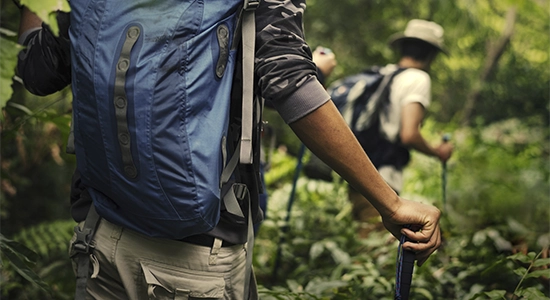
- Two or three changes of light, long-sleeved clothing in neutral colors (green, beige, dark gray)
- Long trousers for the walks (protection from insects and vegetation)
- A compact rain poncho or waterproof layer (rain is daily and unpredictable in any season)
- A wide-brimmed hat or cap with full UV protection
- Closed athletic shoes for the lodge (jungle rubber boots usually come included in the tour)
- Extra underwear in zip-sealed bags (Amazonian humidity gets into any fabric within twenty-four hours)
Health and protection:
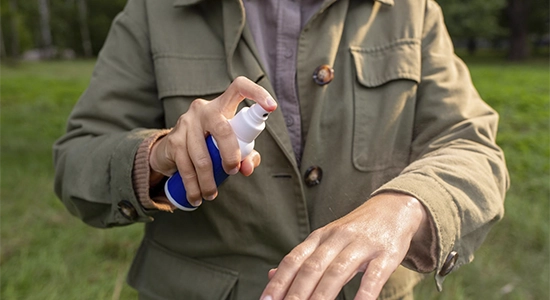
- Insect repellent with at least 50% DEET, or Picaridin: do not substitute “natural” options in primary rainforest — Amazonian insect diversity ignores weak formulations
- SPF 50+ sunscreen
- Personal medication in sufficient quantity for the tour days plus a margin for the unexpected
- An oral antihistamine for bite reactions
- An anti-diarrheal for occasional use (the change of water and food can affect digestion in the first days)
Technical gear:
- A headlamp with spare batteries: essential for night activities — handheld flashlights don't leave your hands free for the canoe
- A reusable water bottle with backup purification tablets
- Dry bags or water-resistant covers for camera, phone and documents
- A fully charged power bank: lodges run limited solar power — or none
Documents:
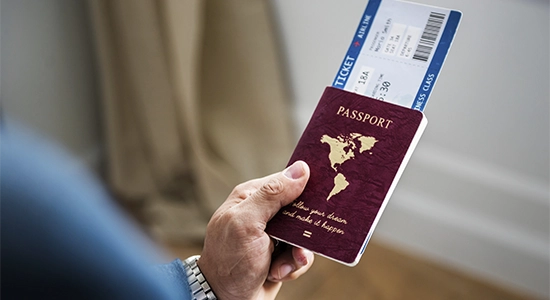
- A valid passport or national ID
- Your yellow fever vaccination certificate (it can be required when entering reserve zones)
- Travel insurance with remote-area medical evacuation coverage (highly recommended for tours of five days or more)

Medical Preparation: Vaccines, Prophylaxis and Timing
Medical preparation for an Amazon tour from Iquitos should begin at least four to six weeks before the trip.
Mandatory: the yellow fever vaccine, required by Peru's Ministry of Health for access to Loreto's jungle zones. It confers lasting immunity, and in most countries it is administered at travel-medicine centers or international vaccination services.

Recommended by medical profile (check with your doctor or a travel-medicine specialist):
- Malaria prophylaxis: several medications exist with different start schedules, durations and side effects; the choice belongs to a medical professional based on your history and the specific travel zone; some regimens must begin one to two weeks before the trip
- Hepatitis A and B if not up to date
- A current tetanus shot
- Rabies for long expeditions in remote zones with possible wildlife contact
The medical visit cannot wait for the final days before departure. Some antimalarials require starting a week or more before exposure. Seeing the doctor six weeks ahead is the safest practice.

By Air (the Recommended Option for Most Travelers)
The most frequent route is Lima → Iquitos, with direct flights of roughly ninety minutes from Jorge Chávez International Airport. Iquitos airport carries the IATA code IQT and sits seven kilometers from the city center. Airlines such as LATAM Perú and Sky Airline fly the route several times daily.

From Other Countries
Lima is the usual connection hub. Travelers from Mexico, Colombia, Argentina, Chile, Spain, the United States or anywhere else typically connect through Lima onward to Iquitos. The connections are well established and, with good planning, allow reaching Iquitos the same day from most major capitals.
By River (for Travelers with Time and an Appetite for the River Experience)
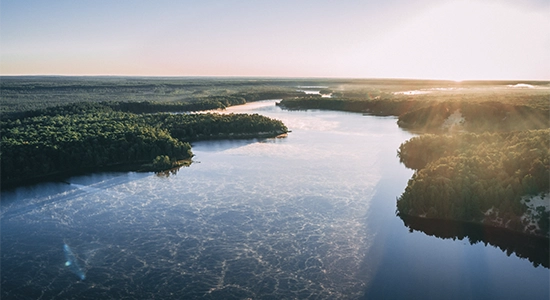
River routes exist from cities like Pucallpa and Yurimaguas, involving twenty-four to seventy-two hours aboard passenger boats. A valid option for anyone prioritizing the river journey over efficiency — and impractical for tight itineraries.
Once in Iquitos
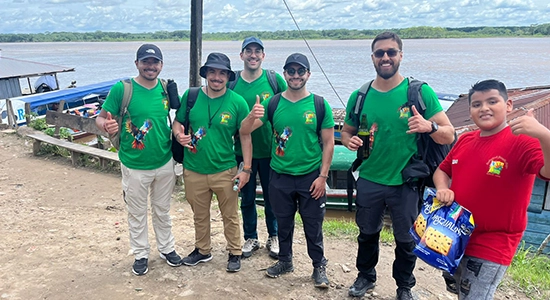
The transfer from the airport to the city center takes fifteen to twenty-five minutes by taxi or mototaxi. Most agencies running tours to Iquitos from Lima or any other origin include the transfer from your Iquitos hotel to the departure pier. Confirm the point when booking to avoid unplanned costs.
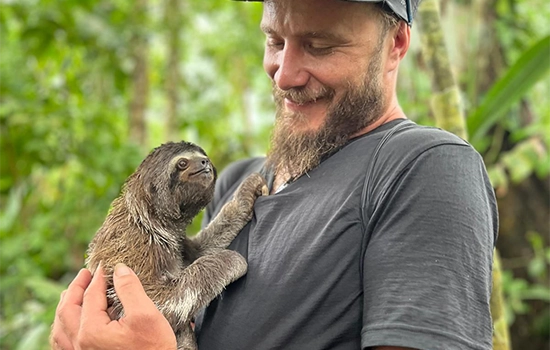
Wildlife with high year-round availability (from 1-day tours):
- Pink dolphin (Inia geoffrensis): present in the Amazon and its tributaries in every season, though in different zones by river level
- Red howler monkey (Alouatta seniculus): the Amazon's loudest monkey — usually heard before seen
- Riverbank birds: multiple heron species, cormorants and Amazon kingfishers
- Amazonian parrots and parakeets of several species
- Black caiman (Melanosuchus niger): on night navigations
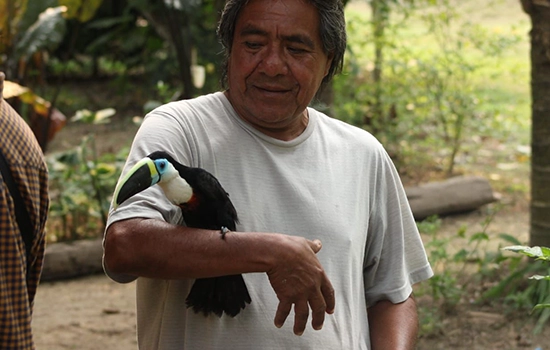
Wildlife with odds varying by season and zone (tours of 3 days or more):
- Capybara (Hydrochoerus hydrochaeris): along riverbanks and lagoons, especially in the dry season
- Blue-and-yellow macaw (Ara ararauna): at clay banks and aguaje palms
- Green anaconda (Eunectes murinus): more visible along banks during the rains; in remote zones on five- to seven-day tours
- Victoria amazonica (Victoria amazonica): rainy season, in low-current lagoons
- Taricaya (Podocnemis unifilis): the river turtle most often seen on beaches during the dry season

Wildlife exclusive to long Pacaya Samiria expeditions (5-7 day tours):
- Amazonian manatee (Trichechus inunguis): a vulnerable species, watchable in the reserve's inner channels with patience and a specialized guide
- Giant otter (Pteronura brasiliensis): an endangered species inhabiting low-current rivers in protected zones with minimal human presence
- Jaguar (Panthera onca): present in the region yet extremely elusive; sightings are infrequent on any tour format, even in the remotest zones
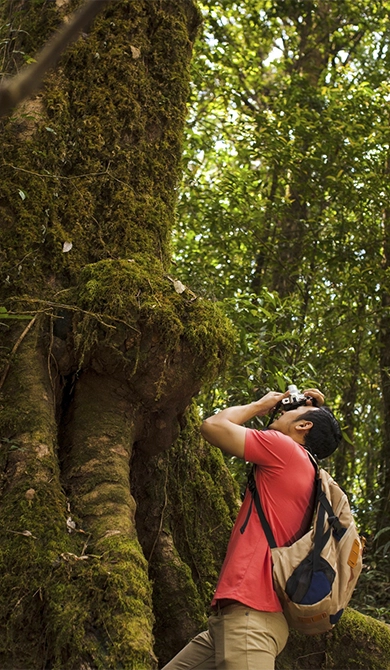
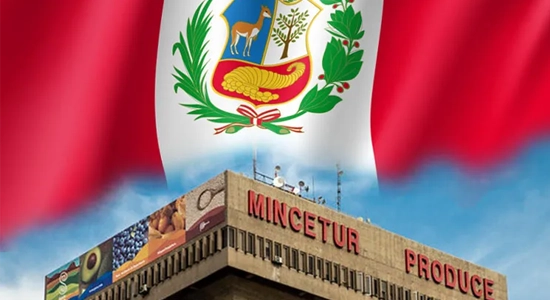
Documentation you can verify:
- Active registration with Loreto's Regional Directorate of Foreign Trade and Tourism (DIRCETUR Loreto): ask for the registration number
- Guides holding current MINCETUR certification: information a professional guide shares without hesitation
- The company's active RUC (verifiable on SUNAT's platform for Peru-registered businesses)
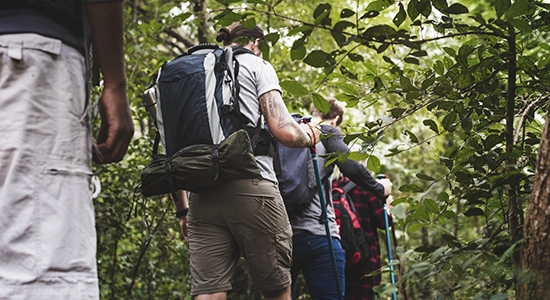
Operational transparency you should demand:
- A maximum group size, stated clearly and without ambiguity
- An itinerary broken down day by day, not just a general description of activities
- A cancellation and refund policy documented in writing before you pay
- An explicit breakdown of what the price includes and excludes, with no fine print

A track record verifiable independently:
- Reviews on independent platforms like TripAdvisor or Google Maps, with special attention to how the operator answers critical or negative comments
- Years of operation that can be demonstrated, not just claimed
- The option to request references from recent travelers and consult them directly
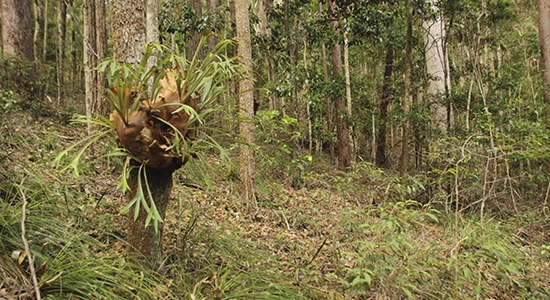
Red flags that should raise distrust:
- Promises of guaranteed sightings of specific fauna (jaguar, anaconda, manatee): no honest operator can guarantee this
- Prices far below the market's standard range with no clear operational justification
- Evasive or vague communication when you ask about credentials, guide numbers or itinerary details
